Throughout history, humans have sought ways to attract good fortune. This universal desire has led to the creation and adoption of numerous symbols of good luck across different cultures and traditions. These symbols, ranging from ancient religious icons to everyday objects, reflect our hopes, beliefs, and the human need for reassurance in an unpredictable world.
Let’s explore some of these fascinating good luck symbols from various parts of the globe, each with its unique story and significance.
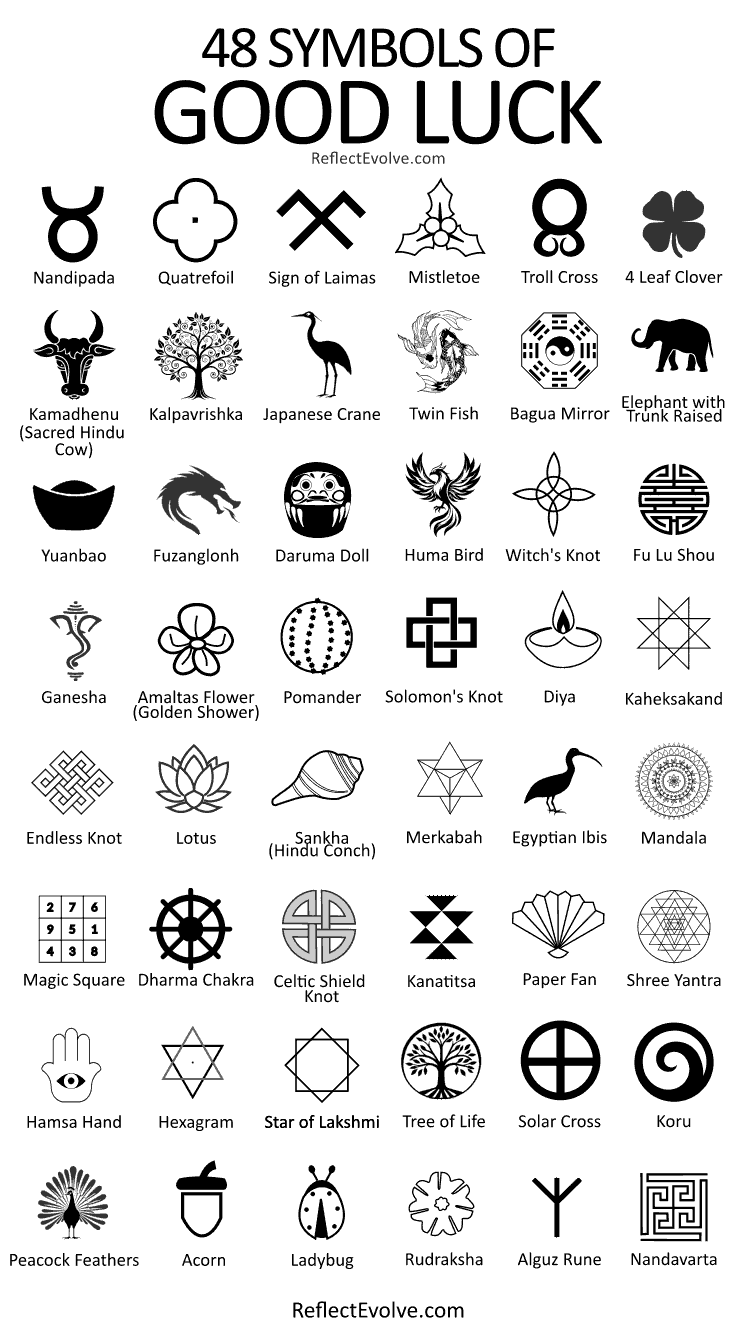
48 Ancient Symbols of Good Luck from Around the World
1. Nandipada (Hindu Symbol)
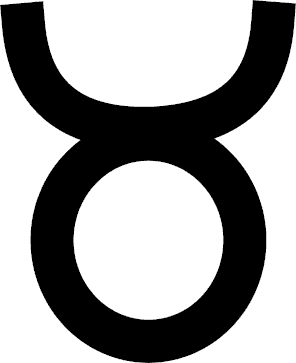
In Hinduism, the Nandipada represents the footprint (pada) of the sacred bull Nandi. Nandi is the loyal mount of Lord Shiva. and is believed to bring good fortune and divine blessings. In temples, you might see stone Nandis facing the main shrine, symbolizing unwavering devotion and strength.
2. Quatrefoil

The Quatrefoil is made of four overlapping circles and is seen as a symbol of good luck, harmony, and protection in various cultures across the world. This symbol also represents the four elements and is similar to the ancient Witch’s Knot and the Celtic Five Fold Symbol.
3. Sign of Laimas

This Latvian symbol is a cross with curved arms, associated with Laima, the goddess of fate and fortune. Believed to bring good luck and protection, it’s often used in jewelry and traditional decorations. The sign is said to help align one’s destiny with positive outcomes and is particularly popular during summer solstice celebrations.
4. Mistletoe
Mistletoe is a small plant that grows on trees, known for its white berries. In many cultures, it’s hung in homes during winter holidays and thought to bring good luck, love, and fertility. The tradition of kissing under mistletoe comes from old Norse mythology, where it symbolized peace and reconciliation. Interestingly, mistletoe is also considered sacred in some Native American cultures.
5. Troll Cross
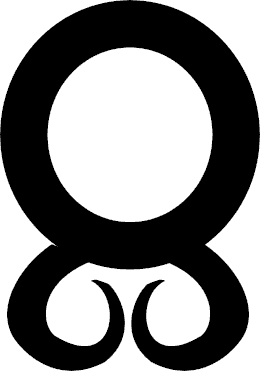
The Troll Cross is a protective charm from Swedish folklore, made of a bent piece of iron forming an oval with a twist. People used to wear or hang it to ward off trolls, evil spirits, and bad luck. It’s said that the twisted shape confuses malevolent beings, preventing them from causing harm.
6. Kamadhenu
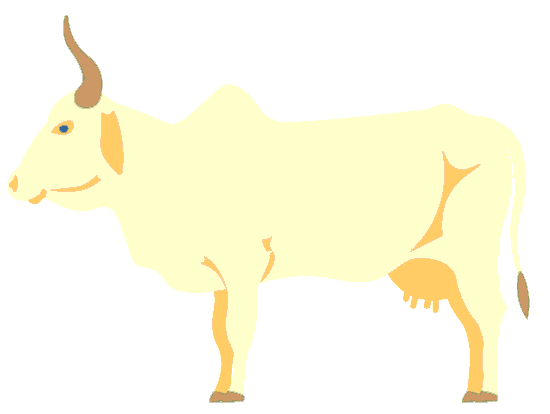
In Hindu mythology, Kamadhenu is a divine cow who is said to grant all wishes. She’s often depicted as a white cow with a woman’s head and peacock’s tail. Kamadhenu symbolizes abundance, prosperity, and the fulfillment of desires.
7. Kalpavriksha
The Kalpavriksha is a wish-fulfilling divine tree in Hindu and Jain traditions. It’s believed to grant any desire to those who approach it. This mythical tree is often depicted in art and literature, symbolizing abundance and the generosity of nature. Some temples have trees that are considered earthly representations of the Kalpavriksha.
8. Japanese crane
The crane holds significant meaning in Japanese culture as a symbol of good fortune and longevity. These elegant birds are often depicted in art and origami. In Japan, there’s a tradition of folding 1000 paper cranes for good luck or to grant a wish. The crane’s graceful appearance and monogamous mating habits also make it a symbol of fidelity and honor.
9. Double fish
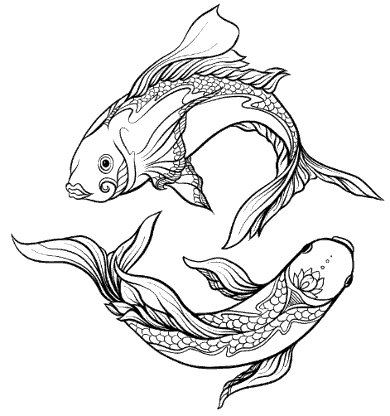
The double fish is one of the eight auspicious symbols (Astamangala) in Buddhism and Hinduism. It represents happiness, fertility, good luck, and freedom. The fish are shown to swim in a circular motion with one following the other representing the infinite cyclic nature of the universe. In some interpretations, they also represent the Divine Masculine and Divine Feminine that form the basis of all creation. Fish is also seen as a lucky symbol in Chinese, Hebrew, Ancient Egyptian, Tunisian, and Japanese cultures.
10. Bagua mirror
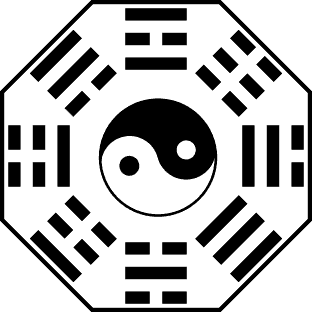
The Bagua mirror is a powerful tool in Feng Shui, used to deflect negative energy. It’s typically octagonal, with a mirror at its center surrounded by eight trigrams. When placed correctly, it’s believed to protect a home from harmful influences.
11. Yuanbao

Yuanbao are gold or silver ingots that were used as currency in ancient China. Now, they’re popular symbols of wealth and prosperity. Often given as gifts during Chinese New Year, these boat-shaped ingots are believed to attract financial luck. You might see decorative Yuanbao in homes or businesses, or find them as charms on bracelets and necklaces.
12. Fuzanglong
In Chinese mythology, Fuzanglong is one of the five dragon kings, associated with hidden treasures. He’s believed to guard buried wealth and bring good fortune. People often display Fuzanglong figurines or images in homes or offices to attract prosperity. This dragon is typically depicted with a pearl or treasure in its claws.
13. Omamori
Omamori are Japanese amulets sold at Shinto shrines and Buddhist temples. These small, decorated pouches contain prayers or lucky charms for various purposes – health, love, success, safe travels, and more. They’re meant to be carried but not opened, to keep the luck inside. At the end of the year, many people return their old Omamori to the shrine and get new ones.
There are several items in different cultures that serve similar purposes to the Japanese Omamori. These are often small, portable objects believed to bring good luck or protection. Here are some examples:
- Nazar (Middle East and Mediterranean): A blue eye-shaped amulet believed to protect against the evil eye. It’s commonly seen hanging in homes, cars, or worn as jewelry.
- Gris-gris (West African and Voodoo traditions): Small cloth bags containing herbs, oils, and other items, created for various purposes like protection, luck, or love.
- Milagros (Latin America): Small metal charms in various shapes, often pinned to religious statues or carried as personal talismans for specific blessings.
- Red string bracelet (Kabbalah, Judaism): Worn around the wrist for protection and to ward off misfortune.
- Chinese lucky coins: Often carried in wallets or tied with red string for financial luck.
- Phra Kruang: In Thailand, these sacred amulets blessed by monks are very popular for protection and good fortune.
- Anting-anting: These are amulets or talismans in the Philippines, often containing Latin prayers or occult symbols.
14. Huma bird
The Huma bird is a mythical creature in Persian folklore, similar to the phoenix. It’s said that if the Huma’s shadow falls on someone, they will have good fortune or even become royalty. This bird is often depicted in Persian art and literature as a symbol of paradise and spiritual ascension.
15. Daruma
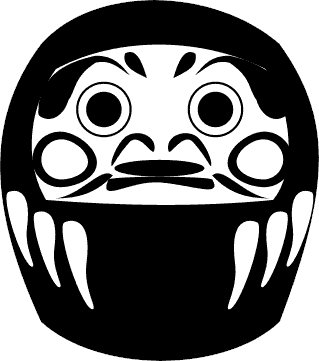
Daruma dolls are Japanese good luck charms based on Bodhidharma, the founder of Zen Buddhism. These round, red dolls come with blank eyes. When making a wish or starting a goal, you paint in one eye. When the wish comes true or the goal is achieved, you paint in the other eye.
Daruma dolls are also symbols of perseverance and resilience, as they always return to an upright position when knocked down.
16. Ibis
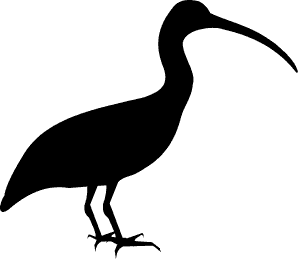
In ancient Egypt, the ibis was sacred to Thoth, god of wisdom and writing. Its curved beak resembles a crescent moon, linking it to lunar cycles and time. Today, the ibis is still considered a symbol of knowledge and good fortune. Some believe seeing an ibis brings luck in academic pursuits or creative endeavors.
17. Nandavarta
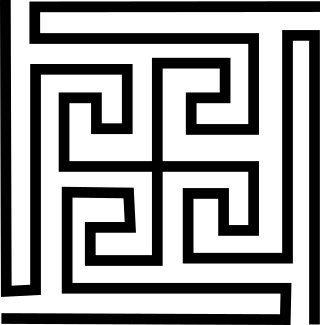
The Nandavarta is a labyrinth-like symbol in Jainism and Hinduism, representing joy and prosperity. Its intricate, maze-like design is said to confuse negative energies while attracting positive ones. Often used in rangoli designs during festivals, it’s believed to bring happiness and good fortune to the home. The symbol’s complexity is thought to reflect the journey of life.
This symbol is very similar to the Hindu Swastika which is also a symbol of good luck.
18. Srivatsa – Endless knot
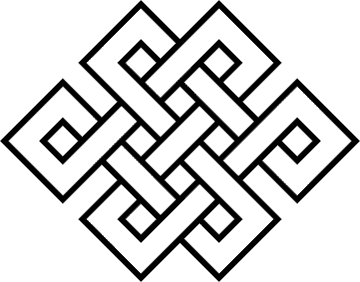
The Srivatsa or endless knot is one of Buddhism’s eight auspicious symbols. Its intertwined lines represent the interconnectedness of all things and the cyclical nature of existence. As a symbol of good luck, it’s believed to bring long life and prosperity. You might see it in Buddhist art, jewelry, or as decorative elements in architecture.
19. Lotus (Padma)
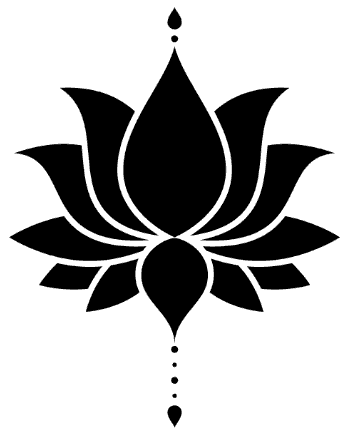
The lotus flower holds deep significance in many Asian cultures, particularly in Buddhism and Hinduism. Rising from muddy waters to bloom in beauty, it symbolizes purity, enlightenment, and rebirth. As a good luck symbol, the lotus is thought to bring spiritual growth and overcome obstacles. It’s often depicted in art, used in meditation practices, and is a popular motif in jewelry and home decor.
20. Conch
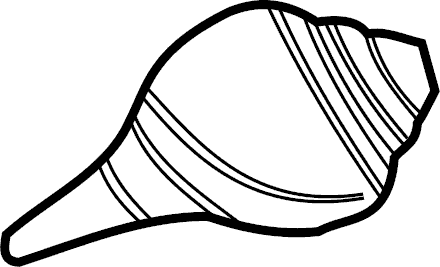
The conch shell is considered auspicious in Hinduism and Buddhism. Its spiraling shape is associated with the expanding universe, and its sound is believed to dispel negative energy. In Hindu tradition, blowing a conch shell is thought to bring good fortune and ward off evil spirits. As a symbol, it represents the divine sound of creation and is often seen in religious imagery and ceremonies.
21. Dharma Chakra

The Dharma Chakra, or Wheel of Law, is a significant symbol in Buddhism and Hinduism. Its eight spokes represent the Noble Eightfold Path of Buddhism. As a good luck symbol, it’s believed to bring spiritual protection and guide one towards enlightenment. You might see it on Buddhist temples, in meditation spaces, or as jewelry, thought to attract positive energy and ward off negativity.
22. Celtic Shield Knot
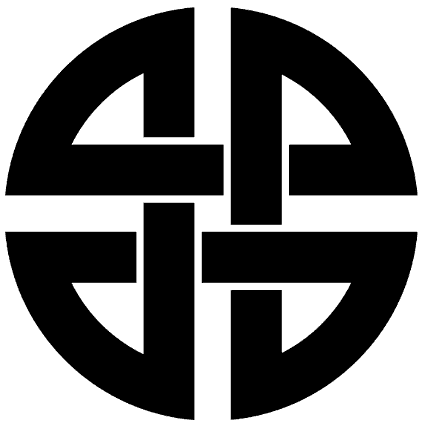
This ancient Celtic symbol consists of interwoven knots forming a shield-like shape. Traditionally used for protection, it’s believed to ward off negative energy and evil spirits. As a good luck charm, it’s thought to create a protective barrier around the wearer. Today, you’ll find it in Celtic-inspired jewelry, tattoos, and home decor, symbolizing strength and unity.
23. Shree Yantra
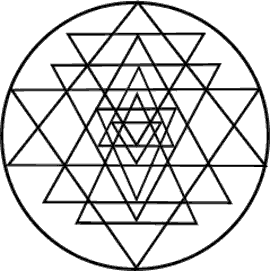
The Shree Yantra is a complex geometric figure in Hindu Tantra, representing the cosmos and the human body. It’s considered one of the most powerful good luck symbols, believed to attract wealth, prosperity, and positive energy. Meditating on its intricate design is said to bring balance and harmony. Many keep a Shree Yantra in their homes or workplaces to enhance fortune and success.
24. Paper fan
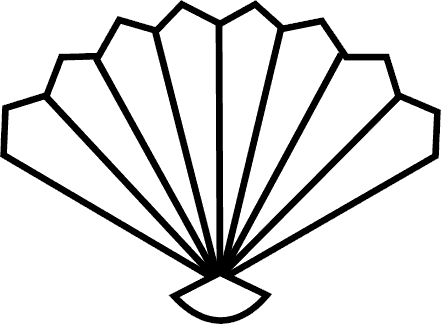
In Chinese culture, the paper fan is more than just a cooling device – it’s also a symbol of good fortune. The way it expands is thought to represent growing prosperity and opportunities. Decorative fans often feature auspicious symbols or lucky phrases. Gifting a fan is considered a gesture of wishing someone good luck and a bright future.
25. Magic squares
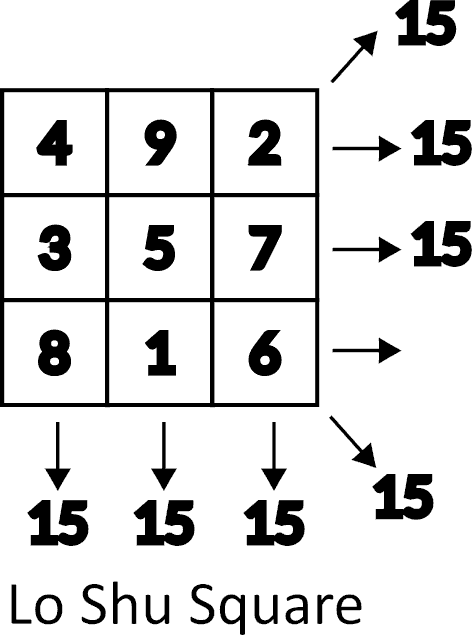
Magic squares are numerical arrangements where the sum of each row, column, and diagonal is the same. In various cultures, they’re believed to have mystical properties and bring good luck. The most famous is the Lo Shu square from ancient China, associated with cosmic balance.
Some people carry small magic square amulets or display them in their homes, believing they harmonize energies and attract fortune.
26. Star of Lakshmi
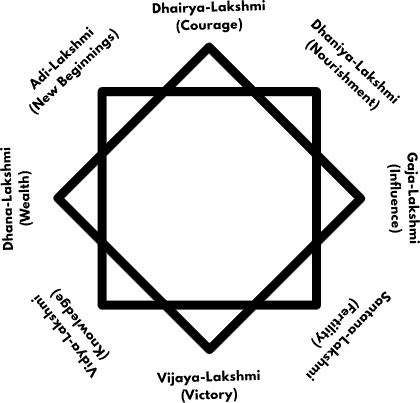
This eight-pointed star is associated with Lakshmi, the Hindu goddess of wealth and prosperity. It is created by two overlapping squares and is said to represent the 8 powers of the Goddess.
Often used in Yantra designs or as a decorative element, the Star of Lakshmi is thought to open pathways to success and material comforts. Some people place it in their homes or businesses to invite positive energy and financial luck.
27. Hexagram
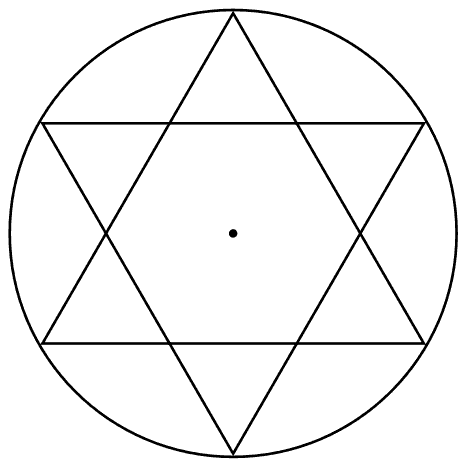
The hexagram, or six-pointed star, is a powerful symbol in various cultures. In Judaism, it’s known as the Star of David and in Hinduism as the Shiv-Shakti Star. As a good luck charm, it’s thought to offer protection and balance between the physical and spiritual realms. The hexagram is also used in some magical traditions to attract positive energies. You might see it in jewelry, decorative art, or even in sacred geometry practices.
28. Hamsa hand
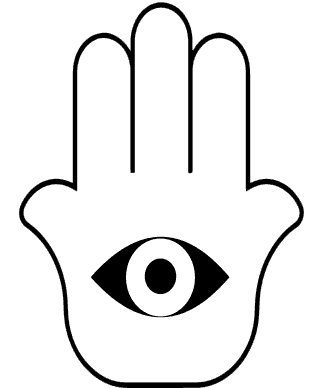
The Hamsa hand is a palm-shaped amulet popular in Middle Eastern and North African cultures. It’s believed to ward off the evil eye and bring good fortune. The hand often features an eye in the center, symbolizing protection. People hang Hamsa hands in their homes or wear them as jewelry for luck and defense against negative energies. Its five fingers are sometimes associated with the five senses or the five pillars of Islam.
29. Tree of Life
The Tree of Life is a universal symbol found in many cultures and religions. It represents growth, strength, and interconnectedness. Many believe that keeping a Tree of Life image or sculpture nearby can attract positive energy and foster personal growth. It’s popular in jewelry, home decor, and even as a meaningful tattoo design.
30. Solar Cross
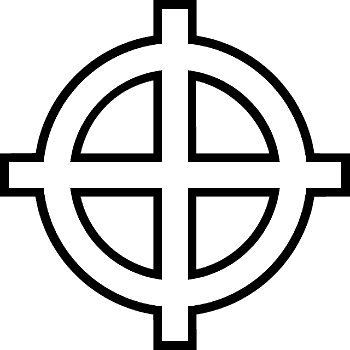
The Solar Cross, a circle divided into four equal parts, is an ancient symbol representing the sun and the four seasons or cardinal directions. It’s associated with balance, harmony, creation, and cosmic order. As a good luck charm, it’s believed to bring protection and positive energy. You might see it in various forms of spiritual jewelry or artwork, thought to align the wearer with natural cycles and divine energies.
31. Koru

The Koru is a spiral shape based on the unfurling fern frond, significant in Maori culture of New Zealand. It symbolizes new life, growth, strength, and peace. As a good luck symbol, it’s believed to bring positive change and new beginnings.
The Koru is often worn as jewelry or used in art and tattoos. Its continuous spiral shape is thought to represent the cycle of life and the way life changes yet stays connected to its origins.
32. Rudraksha beads
These natural beads come from the Rudraksha tree and are sacred in Hinduism. Believed to be tears of Lord Shiva, they’re thought to bring peace, prosperity, and spiritual enlightenment. Wearing a Rudraksha mala (necklace) is said to reduce stress and attract positive energy.
Different types of Rudraksha beads, based on the number of facets, are associated with various benefits and planetary influences.
33. Witch’s Knot
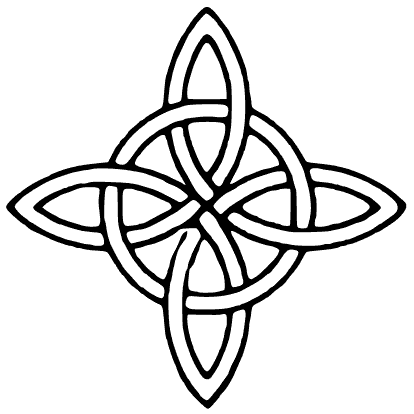
The Witch’s Knot, also known as the Witch’s Charm, is a protective symbol used in various magical traditions. Its intricate, interwoven design is believed to trap negative energies and deflect curses. As a good luck charm, it’s thought to create a barrier against ill fortune. You might see it carved on doors, used in jewelry, or as part of spellwork. Some people draw it as a visualization exercise for protection. Check out this article to see the right way to draw the Witch’s Knot symbol.
34. Brigid’s Cross
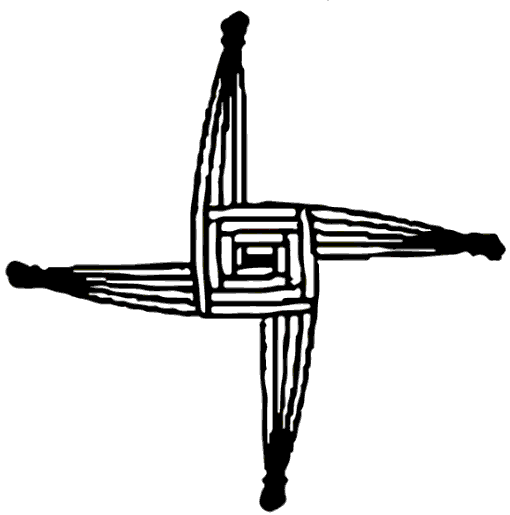
This Irish symbol is associated with Saint Brigid and pre-Christian goddess Brigid. Traditionally made from rushes or straw, it’s believed to protect homes from fire and evil. As a good luck charm, it’s thought to bring Brigid’s blessings of poetry, healing, and smithcraft. Many Irish households make new crosses each February 1st (St. Brigid’s Day) and hang them by the door or in the rafters for year-round protection.
35. Ladybug
Ladybugs are considered lucky in many cultures worldwide. Their bright colors and spots are thought to symbolize joy and good fortune. In some traditions, the number of spots indicates how many months of good luck you’ll have. Finding a ladybug or having one land on you is often seen as a sign of incoming good news or wishes being granted.
36. Fu Lu Shou
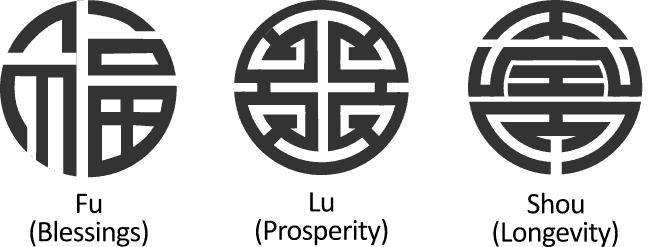
In Chinese culture, Fu Lu Shou represents the three stars of fortune, prosperity, and longevity. Often depicted as three wise men, these figures symbolize good luck in different areas of life. Fu brings happiness and blessings, Lu offers career success and wealth, while Shou grants health and long life. Displaying Fu Lu Shou figurines or images in homes or businesses is believed to invite all aspects of a fortunate life.
37. Acorn
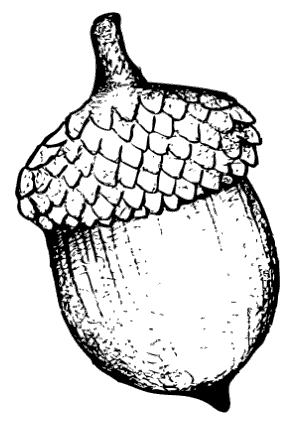
The acorn is a symbol of potential and good fortune in many cultures. As a tiny seed that grows into a mighty oak, it represents strength, perseverance, and future prosperity. In Nordic traditions, acorns were associated with Thor, god of thunder, and thought to protect homes from lightning. Today, some people keep acorns as pocket charms for luck, especially in financial matters or new beginnings.
38. Elephant with raised trunk
An elephant with its trunk raised is considered a powerful good luck symbol, especially in feng shui. Placing an elephant figurine with its trunk up near the entrance of a home or office is believed to bring luck and protect against negative energies. Some also view it as a symbol of good memory and intelligence.
39. Four-leaf clover
Perhaps one of the most recognizable symbols of luck, the four-leaf clover is a rare variation of the common three-leaf clover. Each leaf is said to represent something: faith, hope, love, and luck. Finding a four-leaf clover is considered a sign of incoming good fortune. In Celtic tradition, they were believed to grant the ability to see fairies. Today, the symbol is widely used in jewelry, clothing, and decorations as a good luck charm.
40. Peacock feathers
Peacock feathers have different meanings across cultures. In some Eastern traditions, they’re seen as lucky, representing beauty, integrity, and protection. The “eyes” on the feathers are thought to ward off evil.
In Hinduism, peacock feathers are associated with Lord Krishna and are seen as auspicious. They’re often used in home decor or as personal talismans for those who believe in their positive energy.
41. Solomon’s Knot
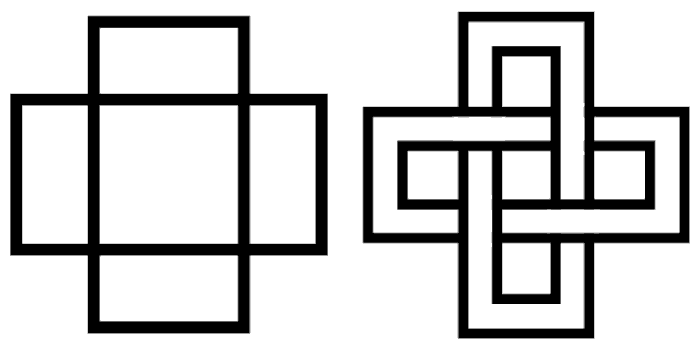
Also known as the Infinity Knot, Solomon’s Knot is an ancient symbol found in various cultures. Its intertwined design with no beginning or end represents eternity and interconnectedness. As a good luck symbol, it’s believed to bring wisdom, similar to the biblical King Solomon. The knot is thought to protect against evil and attract positive energies. You might see it in decorative art, jewelry, or even in some religious contexts, symbolizing the eternal nature of the soul or divine love.
42. Kaheksakand – Estonian 8-Pointed Star
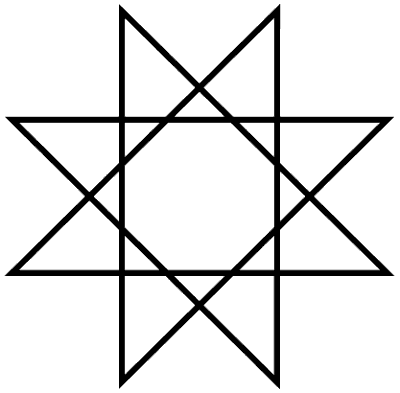
The Kaheksakand, also known as Auseklis in Latvia, is a powerful ancient Baltic symbol of good fortune and protection. This eight-pointed star is deeply rooted in Estonian and Latvian folklore and mythology. It’s believed to represent the morning star or Venus, symbolizing rebirth and the triumph of light over darkness.
In pagan traditions, the Kaheksakand was associated with Austras koks, the celestial tree connecting different worlds. It’s believed to bring harmony between earthly and celestial realms. Today, many Estonians and Latvians wear or display this symbol not only for luck but also as a connection to their cultural heritage and ancestral wisdom.
43. Diya
Diya is small earthen oil lamp used in Hindu rituals and festivals. Lighting a diya is believed to ward off negative energies and invite prosperity and divine blessings. Often seen during the festival of Diwali, these lamps symbolize the triumph of light over darkness and good over evil.
44. Pomander
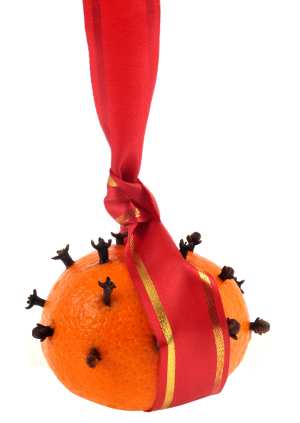
A pomander consists of an orange studded with cloves, used as a natural air freshener and decoration. In some traditions. It’s believed to bring good luck and ward off illness when hung in the home.
45. Ganesha
Ganesha is an elephant-headed Hindu deity, known as the remover of obstacles and patron of arts and sciences. Ganesha statues or images are often placed at the entrance of homes and businesses for good luck and to ensure success in new ventures.
46. Amaltas flower
Known as the Golden Shower tree, Amaltas is considered auspicious in Indian traditions. Its vibrant yellow blossoms symbolize prosperity and positive energy. Many believe displaying these flowers at home attracts good fortune and success. The tree’s stunning beauty during full bloom is seen as a natural manifestation of abundance and joy.
47. Kanatitsa
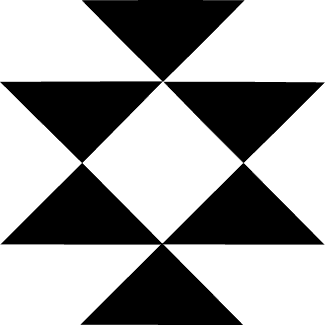
Kanatitsa is an ancient Bulgarian symbol made up of triangular shapes. It is believed to protect the family and bring love, harmony, good luck, and peace to the household. This symbol is often worn to support a happy marriage and strengthen familial bonds.
48. Mandala
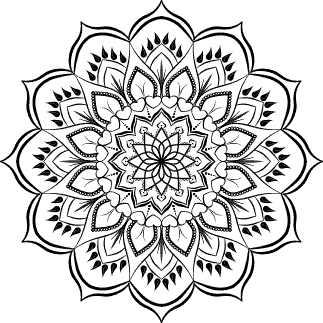
A mandala is a circular, geometric design rooted in Hindu and Buddhist traditions. Used both as decoration and in spiritual practice, creating or displaying a mandala is believed to bring good luck and support personal growth. It represents wholeness and the cycles of life, and is popular globally as a symbol of good fortune and transformation.
Conclusion
As you navigate the modern world, these ancient symbols can connect you to ancestral wisdom and positive energy. If a symbol from this list resonates with you, consider making it your personal good luck charm by incorporating it into your life. You might carry it with you, wear it as jewelry, or use it during meditation. Wishing you good luck and prosperity!