For thousands of years, people around the world have used symbols to represent healing, protection, and renewal. Ancient civilizations carved them into stone, engraved them on jewelry, and used them in religious ceremonies, medicine, and healing rituals. These symbols were believed to restore balance, promote good health, protect against illness, and encourage physical, emotional, and spiritual healing.
This article explores 42 such healing symbols from cultures around the world, along with the history and meaning behind each one.
42 Ancient Healing Symbols to Help You in Your Healing Journey
1. Yin Yang

The Yin Yang is widely recognized as a symbol of balance, but it is also a powerful symbol of healing.
At first glance, it shows the balance between opposite forces through its black and white halves. But at its center lies the Wu Ji, a state of complete stillness and inner peace.
In Taoist philosophy, this is where struggle ends and healing begins. The symbol reminds you to let go of inner conflict, return to this quiet center within yourself, and allow healing to unfold naturally.
2. OM (AUM) symbol
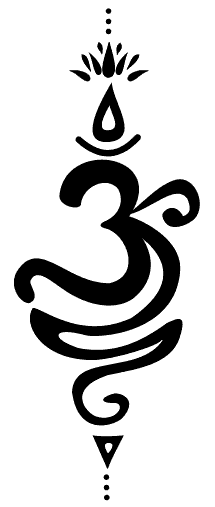
OM (AUM) is one of the oldest and most sacred symbols in Hinduism. It represents the first sound from which all creation emerged. According to Hindu tradition, everything in the universe carries the vibration of OM, making it the sound that connects all of existence.
The sound OM is made up of three syllables: “Aaa,” “Ouu,” and “Mmm.”

When you chant OM in the right way starting with the ‘Aaa’ sound, followed by the ‘Ouu’ sound and finally ending with ‘Mmm’, the resulting vibrations are felt throughout your body that have the power to heal and activate all your energy centers (also known as chakras).
- Aaa: Starting with, ‘Aaa’, the vibrations are felt in and around your belly area that helps heal and activate your root, sacral, and solar plexus chakra.
- Ouu: The second syllable, ‘Ouu’, creates vibrations in and around the lower and upper chest areas healing the solar plexus and heart chakra.
- Mmm: The third sound, ‘Mmm’, products vibrations around the neck and head areas healing the throat, third eye and crown chakras.
Finally, the silence that follows after a single chant of OM (known as Turiya) creates a state of No-Mind when your entire being becomes one with pure consciousness.
Even from a scientific perspective, it has been found chanting OM releases nitric oxide, which is a powerful healing molecule. In-fact, research shows that humming can increase nitric oxide production by up to 15 times compared to quiet breathing. Nitric oxide improves blood flow, increases oxygen delivery, supports cellular repair, strengthens the immune system, and calms the nervous system.

Regular chanting practice for even two to three minutes daily (around 5 to 1o OM chants) will heal your body, deepen your awareness and help you experience higher states of consciousness.
Learn more about the 8 hidden meanings of OM.
3. Intertwined Twin Kundalini Serpents

The image of two intertwined serpents has been associated with healing for thousands of years. In Hinduism, the two snakes represent the Ida and Pingala nadis, the main energy channels through which prana, or life force, flows. The central staff represents the Sushumna nadi, which runs along the spine, while the points where the two serpents cross symbolize the chakras.
When these three energy channels are in balance, prana flows freely throughout the body. According to yogic tradition, this balance is the foundation of physical, mental, and spiritual well-being.

The intertwined serpents also appear in the Caduceus, the staff of Hermes, which later became one of the world’s most recognized symbols of healing
4. Sri Yantra
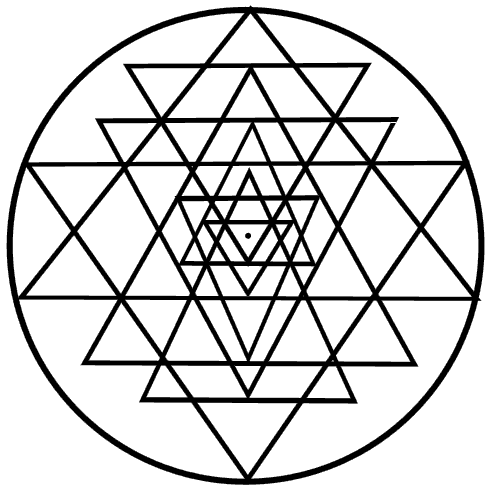
Yantras are sacred geometric diagrams used in Hinduism for meditation, prayer, and spiritual practice. Each yantra has a unique design that is believed to focus the mind and channel specific energies.
The Sri Yantra is one of the most sacred and powerful yantras. It consists of nine interlocking triangles, with four pointing upward and five pointing downward.
These nine triangles are believed to correspond to the body’s nine energy centers. Meditating on the central point of the Sri Yantra is said to bring these energy centers into balance, supporting physical, mental, and emotional healing. It is also believed to clear energetic blockages, protect against negative energy, and promote inner peace.
5. Healing Hand
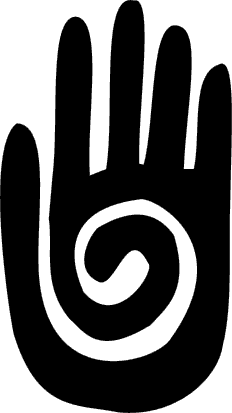
The Healer’s Hand (Shaman’s Hand) is an ancient Native American symbol of healing and protection. It consists of a hand with a spiral palm. The five fingers of the hand represent the five elements and the spiral represents connection with your inner self which is required for bringing all these elements into balance.
It is believed that the Healer’s Hand symbol has therapeutic energy and wearing it or keeping it in your home brings healing, good health, and happiness. Additionally, it serves as a protective symbol, guarding against negative influences and harm in both the physical and spiritual realms.
6. Enso
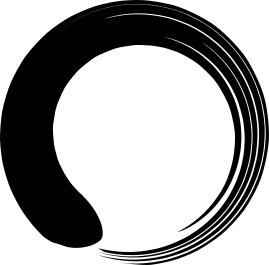
The Enso is a hand-drawn circle in Zen Buddhism that represents wholeness, inner peace, and enlightenment. It reminds us to let go of mental clutter, accept the present moment, and find calm through mindfulness. Meditating on the Enso is believed to bring emotional balance and inner healing.
7. Koi Fish

In Japanese culture, the koi fish is admired for its ability to swim upstream against strong currents, making it a symbol of perseverance, resilience, and overcoming hardship. Koi are commonly kept in peaceful Japanese gardens, where watching them glide through the water promotes calm and emotional well-being.
Koi imagery is also used in Feng Shui to encourage healing, positive energy, and renewal after difficult times.
8. Japanese Peaceful Gardens
In Japan, peaceful gardens known as Niwa have been cultivated for over a thousand years. Inspired by Shinto’s reverence for nature and later shaped by Zen Buddhism, they were designed as places for quiet reflection, meditation and healing.
They contain carefully arranged rocks, water, plants, and open spaces that calms the mind, reduces stress, and restores emotional balance.
9. Six-Pointed Star

Another symbol closely related to the Yin Yang is the Six-Pointed Star (also known as the Hexagram). This star is created by the intersection of two equilateral triangles, one pointing upward, symbolizing masculine energy and the spiritual realm, and the other pointing downward, representing feminine energy and the material realm. Their intersection signifies perfect harmony between these opposing forces.
Like the Yin Yang, the Six-Pointed Star is a potent symbol of creation, healing, balance, and unity. Throughout history, individuals have employed this symbol in meditation to attain inner equilibrium, harmony, and ultimately, healing.
10. Mandalas

Mandalas are sacred geometric designs in Hinduism and Buddhism that represent wholeness, balance, and the interconnected nature of life. Their symmetrical patterns help focus the mind and encourage meditation, making them powerful symbols of healing and inner harmony.
Creating, coloring, or meditating on a mandala is traditionally believed to calm the mind, restore emotional balance, and support spiritual growth and well-being.
11. Tree of Life

The Tree of Life is a sacred symbol representing the connection between the inner and outer aspects of life. Its roots reach deep into the earth while its trunk and branches stretch toward the sky, illustrating the idea that lasting growth begins from a strong foundation within.
The tree reminds us that our thoughts, emotions, and inner state influence how we experience the world around us. Meditating on the Tree of Life encourages self-reflection, balance, and harmony, making it a powerful symbol of personal growth, resilience, and healing.
12. Solar Cross & the 4 Elements
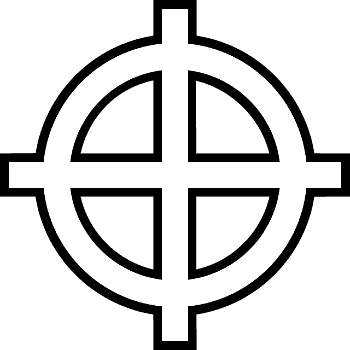
The Solar Cross is an ancient symbol consisting of a circle divided by a vertical and horizontal line. In many traditions, the vertical line represents the active, masculine qualities associated with fire and air, while the horizontal line represents the receptive, feminine qualities linked to water and earth. Together, these four elements make up both the human body and the natural world.
The point where the two lines intersect symbolizes perfect balance and harmony. Meditating on this center was believed to help restore the balance of these elements, supporting physical, emotional, and spiritual healing.
13. The Conch

The conch, known as Shankha in Hinduism, has been used in religious ceremonies for thousands of years and is regarded as a symbol of purity, protection, and spiritual awakening. During rituals, priests and devotees blow the conch to mark the beginning of prayers and invite positive energy into the surroundings.
Its deep, resonant sound is believed to clear negative influences, purify the mind, and create a peaceful atmosphere. Because of these associations, the conch remains a powerful symbol of healing, renewal, and inner well-being.
14. Tibetan Singing Bowls
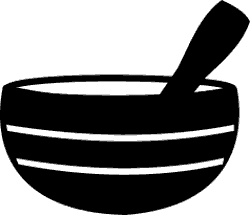
Tibetan singing bowls are metal bowls that have been used for centuries for meditation, prayer, and healing. When struck or played with a wooden mallet, they produce rich, resonant tones that encourage deep relaxation and mental clarity.
Today, singing bowls are widely used during meditation, yoga, and sound healing sessions to support inner peace and well-being.
15. Tulasi Plant

Tulasi, or holy basil, is one of the most sacred plants in Hindu tradition and has been valued for centuries for its medicinal and spiritual benefits. It is believed to purify the home, protect against negative influences, and support physical and emotional well-being.
Many Hindu families worship the Tulasi plant every morning and keep it near their homes as a source of healing and positive energy.
Tulasi is also commonly found in Hindu temples. During worship, devotees are often given sacred water infused with Tulasi leaves and camphor, which is believed to carry healing and purifying qualities. Fresh Tulasi leaves are also distributed as a blessed offering and eaten with reverence.
16. The Lotus

The lotus has been revered for thousands of years in Hinduism, Buddhism, and ancient Egyptian culture as a symbol of purity, renewal, healing, and spiritual awakening.
Although it grows in muddy water, it rises above the surface to bloom into a beautiful flower, representing the ability to overcome hardship and emerge stronger. This journey from darkness to light makes the lotus a powerful reminder of healing, hope, and inner transformation.
The lotus is associated with healing goddesses across several cultures. In ancient Persia, for example, it was closely linked to Anahita, the goddess of water, healing, and wisdom. In this tradition, the lotus symbolizes the life-giving, purifying, and healing power of water.
17. Meditating Buddha

The meditating Buddha symbolizes inner peace, mindfulness, and mental clarity. In Buddhist tradition, meditation helps quiet the mind, reduce mental distractions, and cultivate a deep sense of calm.
Reflecting on or meditating before a Buddha statue encourages this peaceful state, which supports emotional balance, relaxation, and the body’s natural capacity for healing.
18. Flower of Life

The Seed of Life and the Flower of Life that is created from the Seed of Life are sacred geometry symbols that represent the interconnectedness of all life with the source energy. Meditating on these symbols is said to promote healing, harmony, and spiritual growth.
19. Metatron’s Cube

The Metatron’s Cube is a powerful sacred geometry symbol that is formed out of the Flower of Life that we discussed earlier. This symbol contains within it the five platonic solids which are unique geometric shapes with identical faces and angles. They represent the ideal, symmetrical forms in three-dimensional space and are considered to be the building blocks of the universe. They are also believed to be the gateway into higher dimensions.
Meditating on the Metatron’s Cube is believed to help you connect with the spiritual wisdom of the universe, raise your vibration and consciousness and lead to healing on a soul level.
20. Double Gourd

The Double Gourd, also known as the Wu Lou or Hulu, is a traditional Chinese symbol of health, longevity, and protection. Originally, it was made from a dried bottle gourd, a fruit that had long been used to carry water and herbal medicines.
Because of this practical use, the gourd became closely associated with healing and good health. In Feng Shui, the Double Gourd is believed to absorb negative energy, ward off illness, and promote physical and emotional well-being.
Today, it is commonly displayed in homes, hung as a protective charm, or worn as an amulet to attract healing and long life.
21. Shou

Shou is a traditional Chinese symbol representing longevity, vitality, and well-being. For centuries, it has appeared on temples, homes, clothing, porcelain, and jewelry as a blessing for a long, healthy, and prosperous life.
The symbol is especially given as a birthday gift to older adults in the form of calligraphy, plaques, embroidered textiles, or ceramics to express wishes for longevity and well-being. Today, it also appears in Feng Shui as a symbol of lasting health, prosperity, and positive energy.
22. Wu Fu (Five Blessings)

Wu Fu, meaning “Five Blessings,” is a traditional Chinese symbol associated with a happy, healthy, and fulfilling life. The five blessings are longevity, wealth, health, virtue, and a peaceful death.
The symbol is commonly depicted as five bats surrounding the Chinese character for longevity (Shou), since the Chinese word for bat (fu) sounds the same as the word for blessing.
It is widely displayed in homes, temples, artwork, and Feng Shui to invite good fortune, health, and lasting well-being.
23. Water
Water has long been regarded as a symbol of healing, purification, and renewal across cultures and religions. Beyond cleansing the body, it is believed to wash away negative energy and support spiritual renewal.
For this reason, many traditions encourage ritual bathing before prayer or sacred ceremonies. In Christianity, water is central to baptism, symbolizing spiritual rebirth and the cleansing of the soul.
Likewise, in many Asian and Middle Eastern traditions, bathing in or sprinkling holy water is believed to purify the spirit, promote healing, and invite divine blessings.
24. Spiral Sun

The Sun Spiral is a sacred symbol found in the traditions of some Native American peoples, where the Sun is honored as the source of life, warmth, and healing. In certain traditions, the Sun is regarded as the First Healer and the First Shaman, and the spiral represents its life-giving energy and continuous cycle.
The symbol reminds you that the same life force that sustains the natural world also exists within you. Meditating on the Sun Spiral is believed to awaken your inner strength, restore balance, support healing, and help you recover from life’s challenges while living in greater harmony with nature.
25. Merkabah
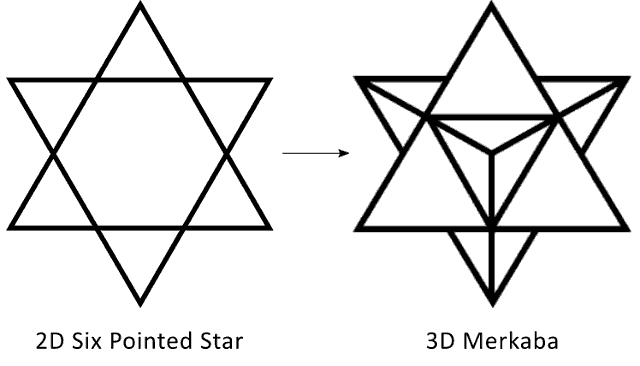
and Merkabah (Star Tetrahedorn)
The Merkabah is a 3D representation of the Six-Pointed star that we discussed earlier. It consists of an upward-facing tetrahedron symbolizing masculine energy (the body) rotating clockwise and a downward-facing tetrahedron symbolizing feminine energy (spirit) rotating anti-clockwise. The interaction of these tetrahedrons is believed to generate a healing light. In-fact, the term “Merkaba” comprises “mer” for light, “ka” for spirit, and “ba” for body.
This sacred symbol is thought to bridge the connection between body and spirit, facilitating healing and the realization of one’s innate power. To tap into its potential, visualize your body within the Merkaba and the surrounding light during meditation. This is believed to expand your consciousness and enable a profound connection with your inner strength.
26. Dream Catcher
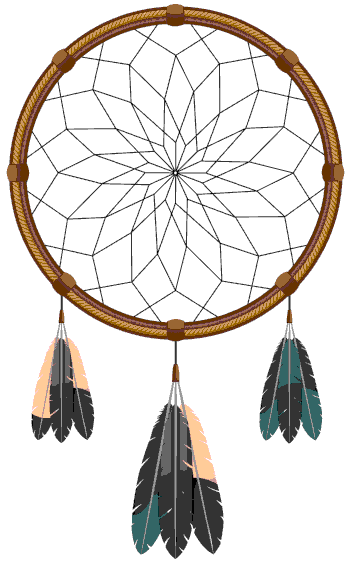
The Dream Catcher is a traditional protective object originating with the Ojibwe (Anishinaabe) people and has become widely associated with healing, protection, and positive energy.
It features a circular hoop with a woven web at its center. According to tradition, the web catches bad dreams and negative energies while allowing good dreams to pass through, bringing peaceful and restful sleep.
Because of this, the Dream Catcher is regarded as a symbol of emotional healing, inner peace, and protection from negativity.
27. Saule (The Sun)
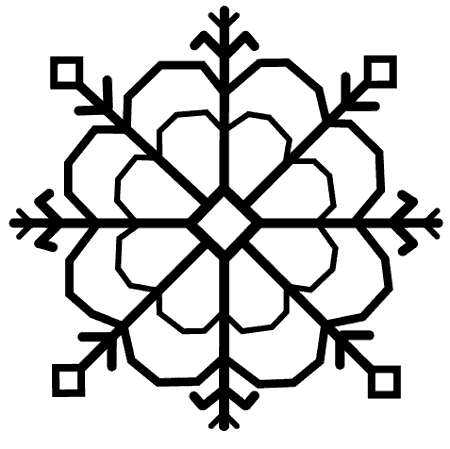
Saule is the sun goddess in Latvian and Lithuanian Baltic mythology and has been revered since ancient times as the giver of life, warmth, light, and fertility. Her daily journey across the sky symbolizes the cycle of life, renewal, and the triumph of light over darkness.
In Baltic folklore, sunlight was believed to drive away sickness, restore strength, and bring harmony to both people and the land. Because of these life-giving qualities, Saule became a powerful symbol of health, vitality, and healing.
28. Mara’s Cross (Maras Krusts)
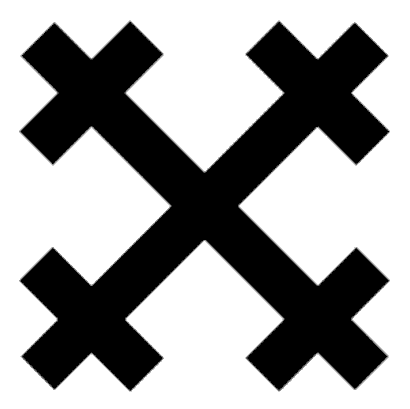
Mara’s Cross (Maras Krusts) is an ancient Latvian symbol associated with Mara, the Baltic goddess of the earth, motherhood, and protection.
For centuries, it was carved into fireplaces, doors, tools, and household objects, and was also marked on freshly baked bread to bless the home and its inhabitants.
As the guardian of the household and family, Mara was believed to provide nourishment, protection, and renewal. Her cross came to represent wholeness, security, and the nurturing energy that supports healing and vitality.
29. Uruz – Healing Rune

Uruz is one of the oldest runes in the ancient Germanic runic alphabet known as the Elder Futhark. Named after the wild aurochs, a powerful species of wild cattle, it represents physical strength, healing, vitality, and resilience.
In Norse tradition, runes were carved onto wood, stone, tools, and amulets because they were believed to carry magical and protective powers. Uruz was associated with restoring strength after illness or hardship, making it a popular rune for healing and renewal.
Other runes, such as Berkano, symbolized growth and recovery, while Laguz was linked to emotional healing and renewal.
30. Spirals

Spiral symbols have been used since ancient times for meditation and energetic healing. They are often used in shamanic rituals to connect with inner power and healing energy.
Meditators usually visualize themselves at the outer end of the spiral and make their way through to the center. This helps them connect with their inner center or inner power which can help in their healing journey. Similarly, one can start from the center and spiral outward to connect with the universe.
31. Rattles and Drums

Rattles and drums have since ancient times been used as healing tools by shamans. The repetitive drumming patterns and vibrations produced by rattles are thought to remove negative energies, synchronize brainwaves, and facilitate deep relaxation and altered states of consciousness. This can aid in self-discovery, emotional healing, and accessing the shaman’s inner guidance.
32. Medicine Wheel (Sacred Hoop)

The Medicine Wheel is an ancient symbol used by many Indigenous peoples of North America as a spiritual guide for healing and restoring balance
The four quadrants of the wheel represent the interconnectedness of the physical, emotional, mental, and spiritual aspects of human nature. The center of the wheel symbolizes harmony and balance.
In many Indigenous traditions, Medicine Wheels were created as sacred circles of stone or marked temporarily on the ground for ceremonies, prayer, and healing. They encouraged healing by helping people restore balance and deepen their connection with themselves, nature, and the universe.
33. Bhaisajyaguru (Medicine Buddha)
Bhaiṣajyaguru, also known as the Medicine Buddha, is a revered figure in Mahayana Buddhism associated with healing, compassion, and freedom from physical and mental suffering.
Devotees recite his mantra, chant his name, meditate on his blue form, or display his image to pray for healing and well-being. His image is commonly found in Buddhist temples, shrines, and meditation spaces, where it serves as a powerful symbol of healing, hope, and inner peace.
34. Lapis Lazuli

In Tibetan Buddhism, lapis lazuli is closely associated with the Medicine Buddha. The stone’s deep blue color symbolizes purity, wisdom, tranquility, and freedom from suffering.
Devotees use lapis lazuli in prayer beads, statues, and meditation practices to cultivate inner peace, support emotional healing, and strengthen their connection with the Medicine Buddha.
35. Veldismagn (Icelandic stave)

Veldismagn is an Icelandic magical stave (galdrastafur) found in later Icelandic grimoires (book of magic) and folk magic traditions. Its name roughly translates to “power of strength” or “might.”
Traditionally, it was drawn on paper, carved into wood, or worn as an amulet to increase inner strength and promote healing. It was believed to strengthen both body and spirit, helping a person recover from adversity and overcome physical or emotional challenges.
36. Sipjangsaeng (10 Symbols of Longevity)
Sipjangsaeng, meaning “Ten Symbols of Longevity,” is a traditional Korean motif that represents long life, health, and prosperity.
The ten symbols include,
- Sun – Represents life, warmth, vitality, and the life-giving force that sustains all living beings.
- Mountains and Rocks – Symbolize permanence, stability, endurance, and the unchanging strength of nature.
- Water and Clouds – Represent the continuous flow of life, renewal, abundance, and harmony between heaven and earth.
- Pine Tree – An evergreen that symbolizes resilience, steadfastness, and longevity because it remains green throughout the year.
- Crane, Turtle, and Deer – These long-lived animals represent longevity, wisdom, vitality, and a peaceful life. In Korean folklore, the deer is also associated with finding the mushroom of immortality.
- Mushroom of Immortality – Also known as Yeongji or Lingzhi, it represents health, longevity, and the quest for immortality, and has been valued in East Asian traditional medicine for centuries.
Together, they represent healing, vitality, and harmony with nature. The Sipjangsaeng symbols are commonly found on paintings, folding screens, clothing, ceramics, and home decorations. They are especially displayed during birthdays and celebrations for older adults as wishes for good health, long life, and happiness.
37. Tselebnik (The Healer)

Tselebnik is a traditional Slavic healing symbol whose name comes from the Slavic word for “healer.” This geometric design represents the harmonious balance of the four natural elements and was believed to restore harmony between the body and spirit.
It was traditionally carved into wooden amulets or embroidered onto clothing, especially for those who were ill, as it was believed to strengthen the body’s natural defenses and support recovery.
38. The Birch Tree
The Birch Tree has long been revered in Slavic folklore as a symbol of purity, renewal, feminine energy, and healing. For centuries, shamans and traditional folk healers, known as znakhary, used birch sap, buds, bark, and leaves in remedies believed to cleanse the body and restore strength.
Because of its restorative qualities and association with new beginnings, the birch became a lasting symbol of health, vitality, and renewal.
39. Lunula (Lunnitsa)

Lunula (Lunnitsa) is a crescent-shaped pendant that has been worn by Slavic women since ancient times as a symbol of the moon and feminine energy. It was believed to protect against illness, promote fertility, support women’s health, and bring balance to the body’s natural rhythms.
Traditionally crafted from silver or bronze and worn around the neck, the Lunula served as both a protective amulet and a symbol of vitality, motherhood, and well-being.
40. Rodovik

Rodovik is a traditional Slavic solar symbol associated with protection, family, and the blessings of one’s ancestors. It was carved into wooden talismans or woven into textiles that were placed in cribs or hung inside the home to safeguard newborns and young children.
The symbol was believed to protect against illness, bring good fortune, and strengthen the child’s health and vitality while invoking the watchful care of ancestral spirits.
41. Namaste

Namaste is a vedic hand mudra that is done by joining the palms together. In yogic tradition, bringing the two palms together symbolizes the union of opposing energies, including the solar and lunar energies associated with the body’s subtle energy system.
Practitioners use this gesture during prayer, meditation, and yoga to cultivate inner balance, calm the mind, and deepen spiritual awareness. This state of harmony is traditionally believed to support emotional, mental, and spiritual healing.
42. The Scarab Beetle

Closely associated with the sun god Khepri, the scarab represents rebirth, transformation, and new beginnings. Ancient Egyptians wore scarab amulets to invite healing, attract good fortune, and protect the soul during its journey into the afterlife.

Conclusion
No matter where they come from, these ancient symbols share a common purpose: to remind you to slow down, reconnect with yourself, and restore balance. Whether you meditate on a symbol, visualize it, place it on your altar, or simply keep it close as a daily reminder, these timeless emblems can help you cultivate balance, inner peace, and self-awareness.
In the end, these symbols remind you that the power to heal has always been within you. They simply help you reconnect with your inner strength, restore balance, and awaken the natural wisdom that guides your healing journey.